Typography is more than letters on a page — it’s a visual voice. For Africa’s artists and designers, typography carries not just phonetic meaning, but cultural rhythm, identity, and storytelling. Yet despite its centrality to design, there are few typefaces that truly reflect African visual heritage, language needs, and cultural nuance. This gap presents a unique opportunity: to build a typographic culture that is African at its core, expressive in its forms, and purposeful in its function.
We break down why African typography matters, how to approach creating it, and practical steps and resourcesfor designers looking to contribute to this evolving field.
Why African Typography Matters
Many designers across the continent find themselves frustrated with the status quo: predominantly Western fonts that don’t support local languages, handle diacritics well, or resonate aesthetically with African cultures. This disconnect isn’t accidental — it reflects an industry that has historically marginalized non-Western perspectives and scripts.
ensuring fonts support the full range of African languages and diacritics.
Designing with cultural context
drawing inspiration from African visual art, patterns, scripts, and environments.
Expanding the narrative
moving beyond stereotypes and giving designers freedom to explore both tradition and modern expression.
Core Principles for Creating African Typography
Whether you are designing a typeface, lettering for a brand, or a custom typographic system, these principles will help anchor your work:
1. Start with Purpose
Understand the function of your typography. Is it for editorial use? Branding? Cultural celebration? Typeface design requires clarity of purpose — each decision from stroke width to spacing should support that purpose.
2. Respect Language & Script Needs
African languages often employ diacritics, tonal marks, and extended Latin or indigenous scripts. Prioritize comprehensive language support rather than forcing Western fonts to adapt poorly.
3. Draw Inspiration Responsibly
Look to African visual culture — textiles, signs, architecture, calligraphy, and everyday visual forms — for inspiration. Avoid clichés and superficial decoration; instead, let authentic visual traits inform letterform decisions.
4. Balance Tradition and Modernity
A successful African typeface may echo traditional aesthetics but must also meet global typographic standards for readability, spacing, and tone.
5. Learn from Practice
Type design is a craft that takes time. Becoming proficient involves study, experimentation, critique, and iteration — not just inspiration but rigorous craft.
Practical Steps to Get Started
Here’s a structured way to begin creating your own African typography:
1. Learn the Basics of Type Design
Before you dive into cultural expression, master the fundamentals of typography and type design:
Understand letter anatomy (baseline, x-height, ascenders, descenders, etc.).
Learn spacing and kerning basics.
Explore how shapes communicate tone (formal vs. casual, geometric vs. humanist).
Helpful resources include curated learning guides and books such as Designing Type and How to Create Typefaces which cover type design fundamentals from sketch to digital execution.
2. Use Tools for Crafting Type
There are both professional and free tools available for creating type:
Font editors such as FontForge, Glyphs, or RoboFont let you design and export fonts.
Proofing and testing tools help you inspect how your type works in real use cases.
Learning the software is essential — but so is practicing with real text and languages you care about.
3. Study Typeface Design Resources
TypeDesignResources.com is a curated collection of books, courses, workshops, and communities focused on typography and type design. It’s a valuable hub whether you’re a beginner or advancing your craft.
4. Join the Global and Local Community
The type design world is rich with conferences, forums, and critique groups. Engage with communities online and, where possible, locally. Critique — both giving and receiving — sharpens your eye.
Typefaces that fully support Swahili, Hausa, Yoruba, Amharic, or other languages with bespoke tonal marks and diacritics.
Culture-inspired type systems:
typefaces informed by African art, motifs, and materials — not as decoration, but woven into the structural logic of letterforms.
Hybrid scripts:
Creative typographic systems that blend modern design with indigenous scripts, where appropriate.
Challenges and Opportunities
African type designers often confront limited access to formal type education and mentorship. But self-taught practice, access to open online resources, and growing global awareness are democratizing the craft.
By contributing typefaces that genuinely serve African languages and aesthetics, designers:
Expand creative autonomy.
Serve underserved linguistic communities.
Build a typographic legacy rooted in African visual culture.
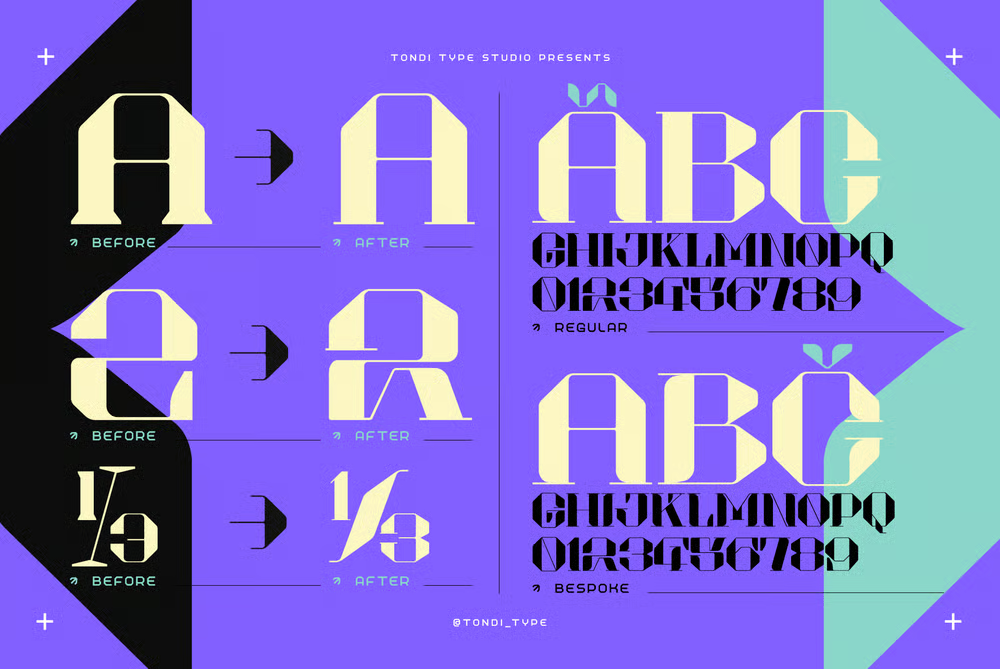
Tondi Type (@tondi_type) is a South African digital type foundry founded by designer, Fhumulani ‘Fumz” Nemulodi, in late 2015.
Final Thoughts
African typography is more than graphic design — it’s visual culture in motion. Whether you’re just starting or are an experienced designer expanding into type, let your work reflect intention, voice, and respect for the linguistic and aesthetic richness of Africa.
Each glyph you design is a step toward a more inclusive, expressive typographic landscape — one that embraces both heritage and innovation.
African Digital Art is an independent archive and platform documenting digital creativity, culture, and innovation across Africa and the diaspora. For 17+ years, we’ve highlighted artists, designers, animators, photographers, game developers, and creative technologists shaping the future of African digital culture. Your support helps us continue publishing stories, preserving creative histories, researching emerging movements, and creating visibility for African creatives around the world. If this platform has inspired you, introduced you to new artists, or helped you feel connected to African creative culture, consider supporting the archive. Every contribution helps sustain independent storytelling and keep this growing cultural archive accessible for future generations.




Hi Jepchumba can you email me more on African type design. Am interested to know more on african type designs out there